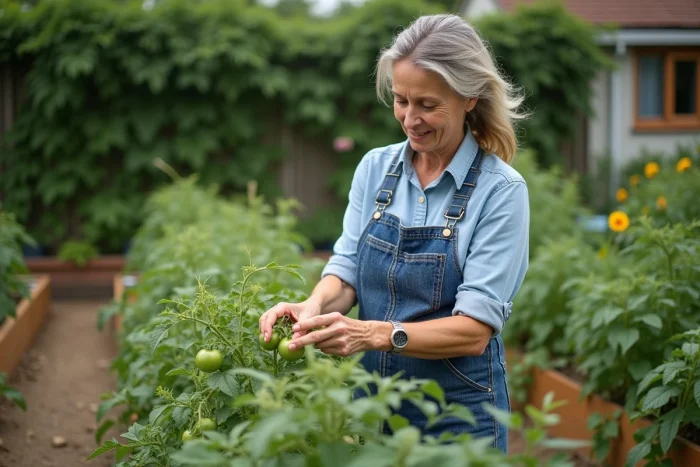
Excessive exposure to direct light can hinder the growth of certain plants, even among the varieties known to be robust. Natural fertilizers, often perceived as harmless, can lead to soil imbalance when misapplied. Regular pruning does not systematically stimulate flowering. Some species, if pruned at the wrong time, reduce their flower production the following season. Spaced watering sometimes encourages deeper rooting, but a lack of observation often leads to the dehydration of young shoots.
The basics of a successful garden: understanding your space and plants
A thriving garden always begins with a true discovery of the land. Before pulling out seeds or tools, take the time to observe the soil, see how light passes through the plot, identify the cool shaded corners and the areas that are too dry. All these details guide the choice of species and shape the garden’s trajectory for long seasons. It is better to bet on plants accustomed to the local climate; they withstand weather whims without flinching, consume less water, and are more resistant to diseases. Exotic varieties, sometimes appealing, poorly tolerate sudden changes in temperature or humidity and may end up disappointing.
Before structuring flower beds, vegetable gardens, or hedges, identify the sunny moments and the cool spots, the wet locations, and those that dry out quickly. This careful observation guides the planting and promotes the balance of the garden. Multiplying the types of plants—perennials, shrubs, ground covers, flowers—encourages biodiversity, attracts pollinating insects, and naturally strengthens the space against diseases.
The choice of plants also heavily depends on the quality of the soil. A rich soil teems with life: earthworms are its silent ambassadors, a sign of loose and fertile ground. For the vegetable garden, regular crop rotation preserves the soil’s resources and prevents the establishment of diseases from one year to the next. Ultimately, varying each season becomes a reflex to maintain the vitality of the land.
For more precise guidance or tips tailored to your situation, you can discover the advice from Jardinier.net: a treasure trove of tested ideas, for both novices and experienced gardeners.
What daily actions really make a difference?
It is in the small regular gestures that the garden flourishes. Watering is not just a routine wake-up call: it adapts to the weather, the season, and often relies on mulching—leaves, grass clippings, or straw—which keeps the soil cool and limits the rise of unwanted plants. Collecting rainwater, in addition to easing the bill, respects the natural rhythm of the garden.
To facilitate daily maintenance, here are practices to prioritize:
- Hand weeding, far from being trivial, reduces competition for soil resources. In tough areas, a bit of white vinegar can tackle stubborn weeds without harming the environment.
- Well-calibrated pruning strengthens growth and flowering while making the fight against diseases more effective. Always clean and sharpened tools, such as pruners and trowels, transform the chore into a precise action.
Valuing garden waste through compost improves fertility and gives a boost to all crops. Nettles, a discreet ally, strengthen plants without harming soil life. To keep the soil sustainably vibrant, alternate vegetable families in the plots from one season to the next.
The introduction of natural allies like ladybugs or hedgehogs protects the garden without toxic products. Combining certain plants together can also limit pest attacks. From the end of winter, be attentive to the needs of your indoor plants: avoid overwatering, and prevent sudden temperature changes to keep them stress-free.
Week after week, the patience and vigilant eye of the gardener become their best tools. It is this discreet attention that reveals a healthy, beautiful, and generous garden in every season.
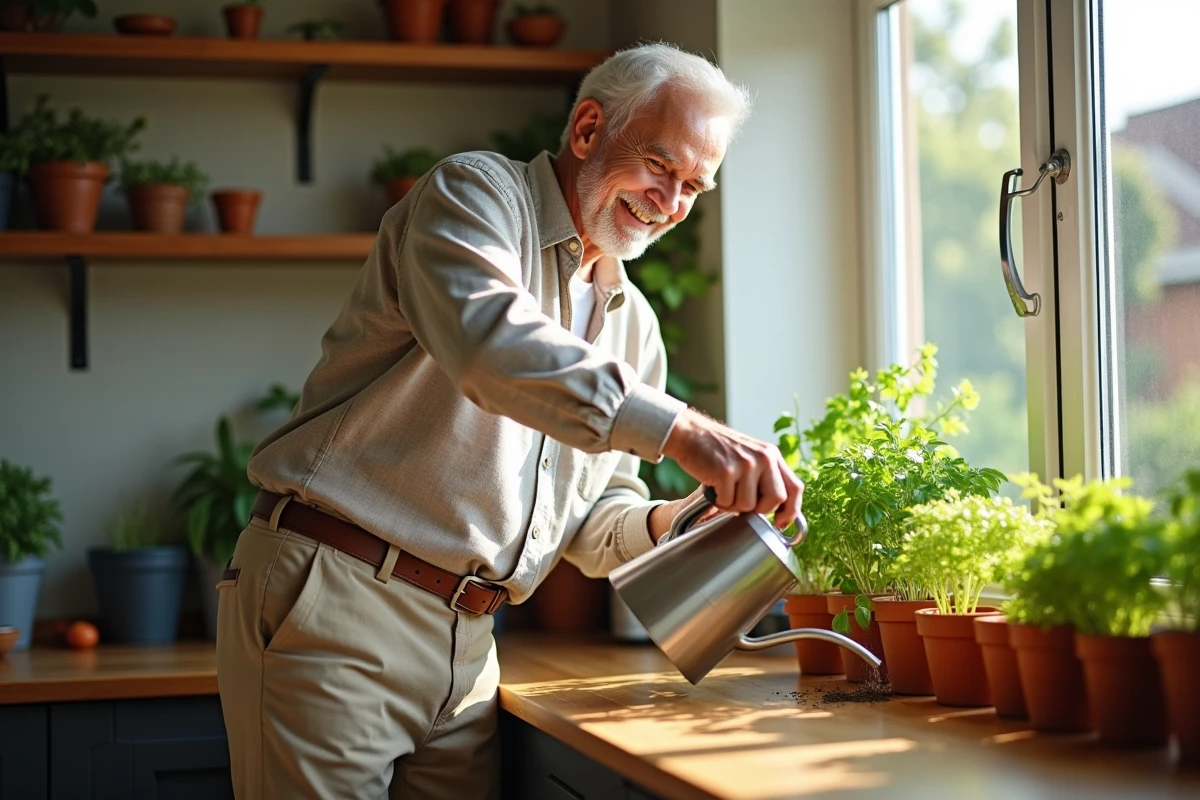
Small pro tips for easy and smart maintenance
Having an attractive garden does not mean endless constraints. A little method and the right tools make all the difference: a drip irrigation system ensures water supply without constant supervision, while automatic solutions simplify life in larger spaces.
Outdoor furniture, while inviting relaxation, also deserves some care: gentle washing, storing cushions at the slightest rain, and regular checks to avoid unpleasant surprises. In flower beds, ground cover mats reduce the weeding chore and retain moisture as the heat rises.
To easily maintain beautiful spaces, a few tips are worth adopting:
- Surrounding yourself with perennials and slow-growing shrubs lightens the workload throughout the year.
- Crop rotation in the vegetable garden supports soil fertility and limits the spread of diseases.
- Ergonomic tools make gardening a pleasure, reducing fatigue during repeated tasks.
Gardening is also a way to experience a form of relaxation that is rarely matched. Each repeated gesture shapes not only the landscape but also enhances well-being, alleviates tension, and provides satisfaction. Whether it’s a modest green balcony or a generous garden, these tips make the experience accessible, enjoyable, and sustainable. Season after season, the garden vibrates and surprises, leaving plenty of room for a surge of creativity and wonder.